
How They’re Shaping Modern Construction
When it comes to modern construction, modular houses have become an indispensable solution. These prefabricated buildings offer efficient, flexible, and cost-effective options across various industries and project scenarios. From construction site dormitories to temporary living spaces, modular houses are at the core of modern building projects, supporting everything from small-scale renovations to large-scale infrastructure developments. This blog post dives into the basics of modular houses, how they work, the types available, their advantages, and key considerations when choosing the right modular building solution for your needs.What is a Modular House?
A modular house is a prefabricated building constructed from factory-manufactured components (modules) that are produced off-site, transported to the project location, and assembled quickly on-site. Unlike traditional on-site construction, modular houses are built in controlled factory environments, ensuring consistent quality, faster delivery, and reduced construction risks. The modules are designed to be durable, easy to assemble, and adaptable to different use cases, making them a versatile choice for modern construction needs.How Do Modular Houses Work?
The modular house construction process involves four main steps, ensuring efficiency and quality:- Prefabrication (Factory Production): All modular components (walls, floors, ceilings) are pre-manufactured in a controlled factory environment. This step ensures consistent quality, as each module is built to strict standards, avoiding the delays and quality inconsistencies of on-site construction.
- Transportation: The prefabricated modules are carefully packed and transported to the project site, ensuring they remain intact during transit.
- On-Site Assembly: The modules are quickly assembled on-site by a professional team. No complex construction processes are required—assembly is efficient, often completed in days rather than weeks compared to traditional construction.
- Completion: Once assembled, the modular house is ready for use, with all necessary features (waterproofing, electrical systems) already integrated during factory production.
Types of Modular Houses
There are several types of modular houses, each with unique benefits to suit different needs:- Standard Modular Houses: Prefabricated modules designed for long-term use, with stable structures and comfortable living spaces, suitable for residential or commercial use.
- Expandable Modular Houses: Flexible designs that can be expanded or modified according to changing needs, ideal for projects that require scalable living or working spaces.
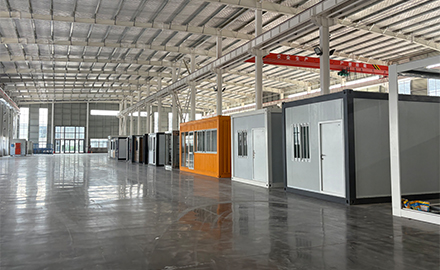
- Flat-Pack Modular Houses: Lightweight, easy-to-transport modules that can be quickly assembled, perfect for construction sites, temporary offices, or emergency shelter needs.
Benefits of Using Modular Houses
- High Efficiency: Modular houses are pre-manufactured in factories, significantly reducing on-site construction time. What takes weeks with traditional construction can be completed in days with modular solutions.
- Consistent Quality: Factory-controlled production ensures each module meets strict quality standards, with stable structures and reliable performance, avoiding the risks of on-site construction errors.
- Flexibility & Versatility: They can be customized to fit various scenarios—from construction site dormitories to temporary offices, and even emergency shelters. Modules can be reused or reconfigured for different projects.
- Cost-Effectiveness: Compared to traditional on-site construction, modular houses save labor costs, reduce material waste, and minimize project delays, making them a budget-friendly choice.
Key Considerations When Choosing a Modular House
- Structure Stability: Ensure the modular house has a sturdy frame and waterproof performance, especially for long-term use or harsh construction environments.
- Customization Capability: Choose a solution that can be tailored to your specific needs (e.g., size, layout, interior configuration).
- Assembly Efficiency: Opt for modular houses that are easy to assemble, with clear installation guidelines to save time and labor costs.
- After-Sales Support: Look for a supplier that offers comprehensive after-sales service, including installation guidance and technical support.
Trends and Future of Modular Houses
The modular house industry is moving towards more sustainable and smart solutions. With the rise of eco-friendly materials and green construction practices, modular houses are now designed to be more energy-efficient and environmentally friendly. Additionally, integration of smart technologies is making modular buildings more convenient to use, with remote monitoring and maintenance options becoming increasingly common.Conclusion
Modular houses are a cornerstone of modern construction, offering efficiency, quality, and flexibility that traditional on-site building cannot match. Whether you’re a construction company, project manager, or business owner in need of temporary or permanent building solutions, modular houses provide a reliable, cost-effective option to support your projects. From factory prefabrication to on-site assembly, they streamline the construction process, reduce costs, and ensure consistent quality—making them an essential choice for modern building needs. As the industry evolves, modular houses will continue to shape the future of construction, offering even more innovative and sustainable solutions.
Tags:
Modular Prefab Houses FAQs
-
Is your product easy to install?Our modular houses are designed for rapid assembly, easy to build with low labor cost.
-
Do you accept customized products?Yes. We support personalized customization for flat pack containers, quick-assembly boxes, double-wing expandable houses, space capsules and apple cabins, including size, color, layout and functional configuration.
Fill Out The Form For Consultation